What Courses Are Available at a Real Estate College? A Total Overview for Aspiring Agents
Ambitious realty representatives have a varied variety naturally readily available to enhance their knowledge and abilities. These offerings range from foundational courses in actual estate principles to specialized training in locations like building management and commercial property. Understanding the numerous academic courses can be crucial for success. What vital topics and approaches will these courses cover, and how might they shape a representative's job?
Recognizing the Basics: Realty Principles
The foundation of property expertise exists in recognizing its concepts. These concepts incorporate important concepts that control the buying, marketing, and monitoring of residential or commercial properties. Secret subjects consist of residential property ownership, land usage, and the different legal rights connected with possession. Recognizing the differences in between residential, business, and commercial homes is necessary, as each group has distinct market dynamics.
Additionally, trainees find out about market analysis, which entails examining property worths and fads to make informed choices (Real Estate School). Realty principles also cover the value of contracts and the lawful structure that supports property transactions. Experience with financing alternatives, such as mortgages and fundings, is important for assisting the monetary aspects of genuine estate. Overall, a strong grasp of these concepts gears up hopeful agents with the foundational expertise required to do well in the affordable realty market, leading the way for additional specialized training and licensing

Licensing Needs and Examination Prep Work
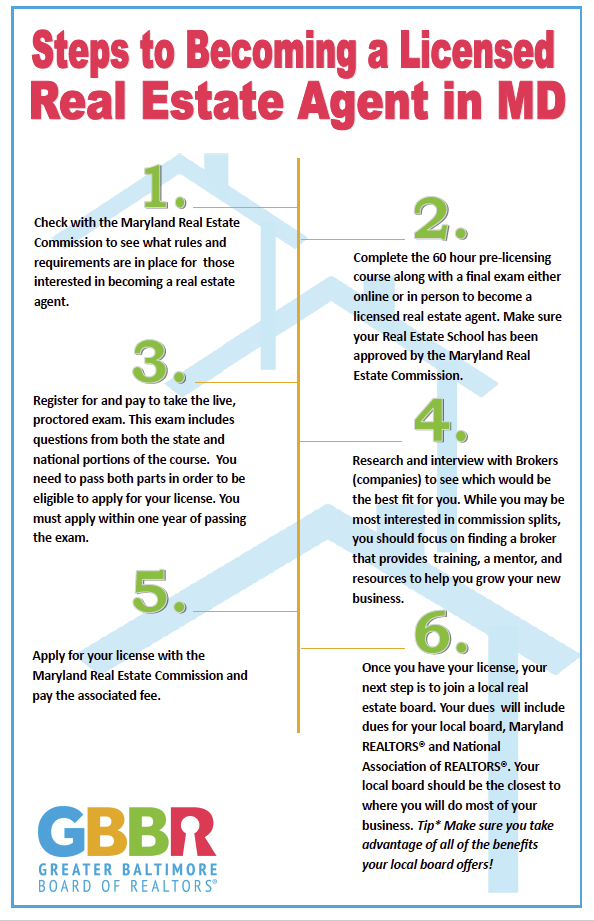
Hopeful property representatives need to navigate details licensing needs to practice legally in their corresponding states. These needs commonly consist of completing a designated number of hours in pre-licensing education, which covers crucial subjects such as actual estate regulation, principles, and residential property administration. Prospects need to likewise pass a state examination that assesses their understanding and understanding of these topics.
Exam preparation is important for success. Numerous realty schools use examination preparation programs that provide practice inquiries, research study overviews, and review sessions. These sources assist candidates familiarize themselves with the examination format and web content. Furthermore, signing up with research study teams or making use of on-line systems can improve discovering via collective review and conversation.
When the exam is passed, agents have to use for their certificate through the state's realty commission, commonly accompanied by background checks and costs. Fulfilling these licensing requirements ensures that agents are outfitted to serve customers properly and morally in the realty market.
Specialized Courses: Residential Or Commercial Property Administration
Recognizing the intricacies of property management is necessary genuine estate professionals looking for to boost their proficiency in this customized field. Residential property monitoring courses give agents with beneficial understandings right into the day-to-day procedures of managing industrial and domestic properties. These programs typically cover key subjects such as occupant connections, lease contracts, and residential property upkeep.
Furthermore, striving property supervisors learn more about monetary monitoring, consisting of budgeting and lease collection techniques, in addition to lawful responsibilities connected to tenant civil liberties and residential property laws.
Courses may also discover advertising approaches for attracting renters and devices for home administration software that streamline operations. By finishing specialized building administration programs, property specialists can much better equip themselves to take care of the obstacles of handling residential or commercial properties successfully, eventually bring about enhanced client contentment and business development. This understanding is critical for those aiming to master the competitive property market.
Business Realty: A Different Point of view
Business realty runs under one-of-a-kind market dynamics that distinguish it from homes. Recognizing financial investment methods specific to this sector is necessary for success, as is acknowledging the importance of networking chances available to professionals. These aspects with each other form an all-encompassing approach to passing through the complexities of business realty.
Unique Market Dynamics
Investment Techniques Discussed
Countless financial investment approaches exist within the domain name of industrial realty, each tailored to fulfill specific financial goals and market problems. One usual technique is value-add investing, where financiers acquire underperforming residential or commercial properties, boost their value with improvements, and consequently enhance rental revenue. Another method is core investing, focusing on stabilized, premium properties in prime locations that give constant capital. In addition, opportunistic investing includes greater risk, targeting residential or commercial properties requiring substantial redevelopment or in arising markets. Property investment counts on (REITs) supply an extra easy technique, enabling individuals to spend in a varied portfolio of industrial residential properties. Lastly, crowdfunding platforms have emerged, allowing small capitalists to partake in bigger industrial deals, equalizing accessibility to the industrial property market.
Networking Opportunities Available
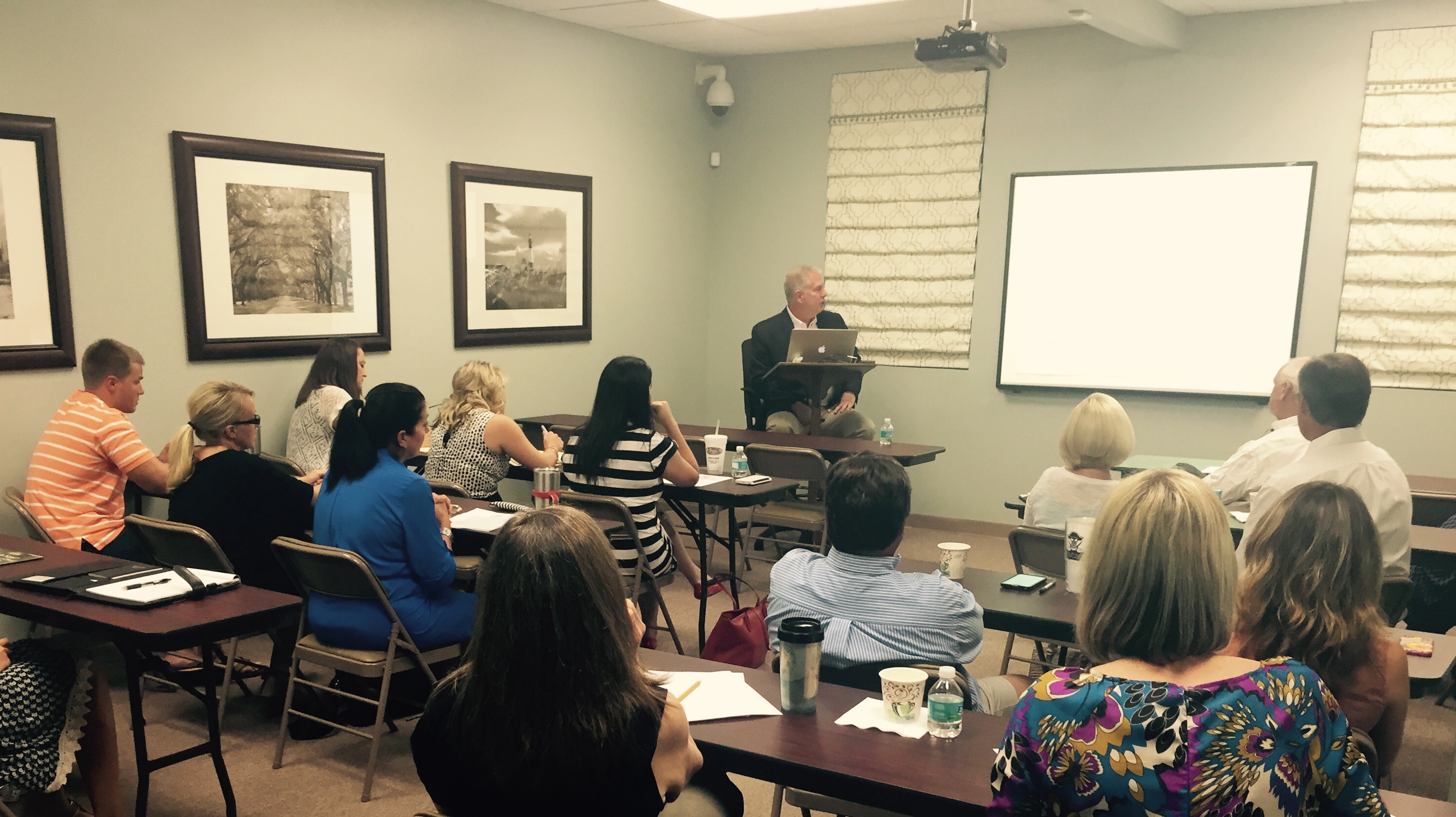
In the domain of realty investing, constructing a durable expert network can substantially boost possibilities for success. Networking possibilities abound at genuine estate schools, where aspiring representatives can connect with market professionals, trainers, and fellow trainees. Workshops, workshops, and visitor talks frequently feature seasoned representatives and brokers who share understandings and experiences, giving vital get in touches with. Several institutions also facilitate neighborhood meetups and networking events, urging pupils to involve with the wider realty area. In addition, on the internet systems and forums linked with these programs permit continuous communication and collaboration. By leveraging these possibilities, students can cultivate connections that may bring about mentorship, collaborations, and potential job positionings, eventually assisting in their expert advancement within the competitive industrial realty field.
Realty Financial Investment Methods
Genuine estate financial investment techniques vary significantly, including methods such as rental residential property financial investments, turning homes, and involving with Real Estate Investment Trust Funds (REITs) Each approach offers special chances and threats that investors should very carefully consider. Understanding these choices is important for anybody seeking to build a successful real resource estate portfolio.
Rental Residential Property Investments
Lots of investors locate rental residential or commercial property investments to be a compelling approach for constructing riches and producing easy earnings. This method involves acquiring commercial or residential residential or commercial properties to lease to renters, ensuring a constant capital. Successful rental residential property financial investments need detailed market research study, reviewing home worths, and recognizing local rental need. Capitalists commonly gain from tax benefits, such as depreciation and home mortgage rate of interest reductions. Additionally, property administration abilities are important for maintaining lessee connections and ensuring prompt lease collection. Lasting admiration of property values can additionally boost a financier's profile. In general, rental residential or commercial property financial investments can offer a stable source of income and add to monetary safety, making them an attractive choice for numerous in the property market.
Turning Houses Techniques
Flipping residences has emerged as a prominent technique genuine estate capitalists seeking quick returns on their investments. This technique entails buying undervalued residential properties, making needed improvements, and selling them at a higher price. Successful house fins generally conduct extensive marketing research to recognize encouraging neighborhoods and residential properties with potential for appreciation. They typically concentrate on aesthetic upgrades, such as cooking area and restroom remodels, to boost charm without spending too much - Real Estate School. Additionally, recognizing financing alternatives and handling spending plans are necessary for making best use of earnings. Time is important in this approach, as long term renovations can deteriorate earnings margins. Eventually, turning houses requires a mix of market expertise, restoration skills, and financial acumen to be successful in an affordable property landscape
REITs and Diversification
Although straight residential or commercial property financial investment can produce high returns, Real Estate Investment Company (REITs) offer an engaging option that enables financiers to expand their portfolios without the intricacies of handling physical buildings. REITs are firms that own, operate, or finance income-producing actual estate throughout various sectors, including residential, business, and industrial residential or commercial properties. By purchasing REITs, individuals can gain exposure to realty markets without the need for significant important link resources or direct monitoring responsibilities. This financial investment lorry additionally gives liquidity, as shares can be easily dealt on stock market. Furthermore, REITs usually pay returns, providing a regular revenue stream. In general, incorporating REITs right into a portfolio can enhance diversity and minimize threats associated with standard home financial investments.
Continuing Education And Learning and Professional Growth
As the actual estate industry progresses, experts must participate in continuing education and professional advancement to remain affordable and educated. This recurring understanding is essential for adapting to changes in laws, technology, and market fads. Property schools offer numerous courses developed to improve abilities and expertise, consisting of sophisticated arrangement strategies, property monitoring, and marketing approaches.
Several states require licensed representatives to finish a collection variety of proceeding education hours to keep their licenses. These courses often cover fundamental topics such as values, reasonable housing policies, and threat administration.
In addition, market workshops and workshops give networking opportunities, blog enabling representatives to get in touch with peers and market leaders. By taking part in these instructional programs, real estate experts can assure they continue to be competent and responsive to customer requirements, eventually bring about career growth and success in a dynamic marketplace.
Regularly Asked Questions
What Is the Typical Duration of Real Estate Courses?
The typical duration of real estate courses varies, generally varying from a couple of weeks to a number of months. Variables affecting this duration include course content, distribution approach, and state demands, influencing ambitious agents' educational timelines.
Are Online Courses Available genuine Estate Education And Learning?
Yes, various on the internet programs are readily available for actual estate education and learning. These programs provide flexibility and availability, permitting people to learn at their very own speed while covering crucial topics needed for acquiring realty licenses and knowledge.
Just How Much Do Actual Estate Courses Normally Cost?
Genuine estate courses commonly vary from $200 to $1,500, depending on the organization and training course size. Added charges for products, tests, and state licensing might additionally apply, adding to the general price of education.
Can I Take Property Courses Part-Time?
Yes, individuals can take genuine estate courses part-time. Numerous academic establishments offer versatile organizing alternatives, allowing aspiring agents to stabilize their researches with various other dedications, making it accessible for those with busy way of lives.
What Careers Can I Go After After Completing Real Estate Courses?
These offerings range from foundational courses in actual estate concepts to specialized training in areas like residential or commercial property administration and industrial real estate. Real estate principles likewise cover the value of agreements and the legal framework that sustains genuine estate purchases. While lots of genuine estate experts concentrate on household markets, the characteristics of commercial actual estate existing one-of-a-kind obstacles and chances that call for a different approach. Genuine estate investment approaches vary substantially, including methods such as rental residential or commercial property financial investments, flipping residences, and involving with Real Estate Investment Counts On (REITs) Direct residential or commercial property investment can yield high returns, Real Estate Financial Investment Counts On (REITs) offer an engaging alternative that permits financiers to diversify their profiles without the intricacies of managing physical properties.